Flights to India: What to Expect on Long-Haul Journeys
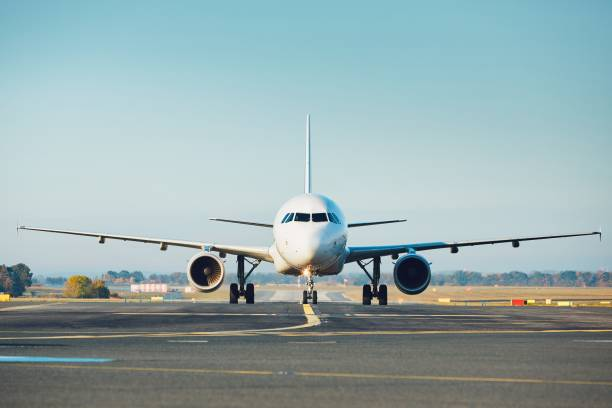
Traveling across continents can be an exciting experience, especially when heading to one of the world’s most diverse and culturally rich destinations. Flights to India is a topic that many travelers research before booking their trip. With numerous international routes available, Flights to India connect travelers from major cities around the world to a wide range of destinations across the country. Understanding airline options, flight durations, transit requirements, and travel documentation can help ensure a smoother and more organized journey.
Understanding Long-Haul Flights to India
Long-haul flights are generally defined as flights lasting more than six hours, although journeys to India from many international destinations can often exceed ten to fifteen hours depending on departure location and layovers.
These flights may be direct or include one or more connections. Travel times can vary based on route, weather conditions, airport congestion, and transit schedules. Preparing for the duration of the journey is essential for maintaining comfort and reducing travel-related stress.
Flight Duration Expectations
The length of a flight to India depends largely on the departure city. Travelers from nearby regions may spend only a few hours in the air, while those departing from distant continents can expect significantly longer travel times.
Connecting flights often increase the overall journey length but may provide opportunities to stretch, eat, and refresh during layovers.
See also: How Smart Technology Is Changing Consumer Services
Preparing Before Departure
Proper preparation can make a significant difference during a long-haul flight. Planning ahead helps travelers avoid common inconveniences and ensures a smoother experience from departure to arrival.
Pack Essential Carry-On Items
Keeping important items within reach can improve comfort throughout the journey. Consider carrying:
- Travel documents
- Medications
- Reusable water bottle
- Neck pillow
- Eye mask
- Noise-canceling headphones
- Phone charger and power bank
- Snacks
- Lightweight sweater or jacket
Having these essentials available can make the flight more comfortable, especially during overnight travel.
Dress for Comfort
Comfortable clothing is highly recommended for long-haul journeys. Loose-fitting garments and supportive footwear can help improve circulation and reduce discomfort during extended periods of sitting.
Layering clothing is also useful because cabin temperatures can fluctuate throughout the flight.
What to Expect at the Airport
International airports handling long-haul flights often require travelers to arrive several hours before departure. This allows sufficient time for check-in, security screening, immigration procedures, and boarding.
Security and Immigration Procedures
Passengers should be prepared for document verification and security checks. Having passports, visas, and boarding passes readily accessible can help streamline the process.
Travelers should also familiarize themselves with baggage regulations to avoid delays or additional fees.
In-Flight Experience on Long-Haul Journeys
Long-haul flights involve spending many hours inside an aircraft cabin. Understanding the onboard environment can help travelers prepare accordingly.
Cabin Conditions
Aircraft cabins are pressurized and climate-controlled, but humidity levels are typically lower than normal. This can contribute to dehydration, dry skin, and fatigue.
Drinking water regularly and using moisturizer or lip balm can help counteract these effects.
Seating and Personal Space
Depending on the ticket type and aircraft configuration, personal space may vary. Travelers should prepare for extended periods of sitting and limited mobility.
Simple stretching exercises and occasional walks down the aisle can improve circulation and reduce stiffness.
Entertainment Options
Most long-haul flights provide a variety of entertainment options. These may include:
- Movies
- Television shows
- Music
- Games
- Reading materials
However, downloading personal entertainment before departure is often a good idea in case onboard options are limited or unavailable.
Managing Jet Lag During Travel
Jet lag is a common challenge for travelers crossing multiple time zones. Symptoms may include fatigue, difficulty sleeping, reduced concentration, and changes in appetite.
Adjust Your Schedule Gradually
Before departure, some travelers find it helpful to gradually adjust their sleeping and eating schedules to align more closely with their destination’s time zone.
Stay Hydrated
Hydration plays an important role in minimizing the effects of jet lag. Drinking water throughout the flight can help maintain energy levels and support overall well-being.
Sleep Strategically
If arriving during daytime hours in India, sleeping during specific portions of the flight may help ease the transition to local time.
Food and Beverage Service
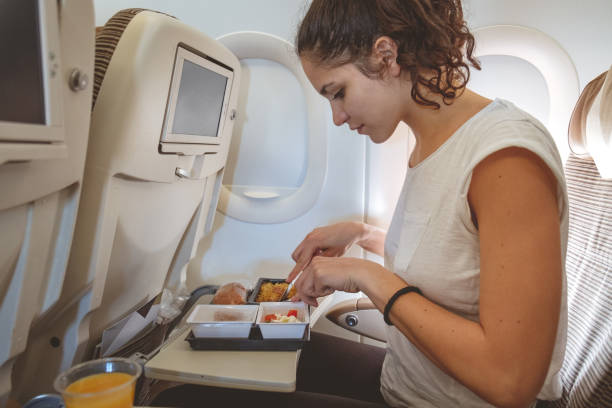
Meals are typically served during long-haul flights, with the number of meals depending on the journey length.
Meal Expectations
Passengers can generally expect:
- Main meals
- Light snacks
- Non-alcoholic beverages
- Tea and coffee
Special dietary meals may be available if requested before departure. Travelers with specific dietary requirements should arrange these requests in advance whenever possible.
Healthy Eating Tips
While onboard meals provide convenience, travelers may benefit from bringing healthy snacks such as nuts, fruit, or granola bars. Balanced nutrition can help maintain energy during extended travel periods.
Staying Comfortable During the Journey
Comfort is often a major concern during long flights. Small adjustments can significantly improve the overall experience.
Move Regularly
Remaining seated for many hours can cause discomfort and muscle stiffness. Travelers should aim to:
- Stretch legs frequently
- Rotate ankles
- Walk periodically when safe to do so
These simple movements support circulation and improve comfort.
Reduce Travel Fatigue
Using travel pillows, blankets, and sleep accessories can help create a more restful environment. Limiting screen time before sleeping may also improve rest during overnight flights.
Arriving in India
After landing, travelers will proceed through arrival procedures before entering the country.
Immigration and Customs
International arrivals generally complete immigration checks followed by customs clearance. Having all required documents organized can speed up the process.
Travelers may be asked to provide information regarding their stay, return travel plans, or accommodation details.
Collecting Baggage
Baggage claim areas are clearly marked at most international airports. Travelers should verify luggage tags before leaving the baggage area to ensure they collect the correct bags.
Transportation After Arrival
After completing arrival formalities, travelers can access various transportation options to reach their destination.
Planning Ahead
Researching transportation options before arrival can reduce confusion and save time. Factors such as travel distance, arrival time, and luggage requirements should be considered when choosing transportation.
Conclusion
Long-haul travel can seem challenging, but proper preparation makes the experience much more manageable. Understanding airport procedures, packing wisely, staying hydrated, managing jet lag, and maintaining comfort during the flight all contribute to a smoother journey. By knowing what to expect before departure and after arrival, travelers can approach their trip with greater confidence. Whether visiting for business, leisure, or personal reasons, being prepared ensures that flights to India become the beginning of an enjoyable and memorable travel experience.