How Smart Technology Is Changing Consumer Services
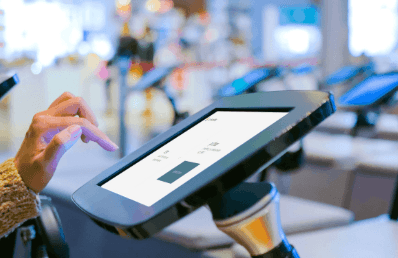
Smart technology is reshaping consumer services by turning data into real-time insights that guide proactive, context-aware experiences. AI and automation translate signals into personalized interactions, while seamless self-service coexists with capable human support for complex needs. Governance and ethics frame responsible innovation, with metrics that track efficiency, satisfaction, and trust. As expectations rise and transparency becomes the norm, organizations must align data handling with user autonomy to stay competitive, leaving the field open for what comes next.
What Smart Tech Changes in Consumer Services Mean
Smart technology is redefining how consumer services operate, shifting value creation from solely delivering products to orchestrating personalized experiences at scale. The shift emphasizes transparent data handling, enabling efficiency while preserving user autonomy. Stakeholders monitor data privacy and ethical considerations, guiding governance and risk assessment. As expectations rise, operational models adapt, prioritizing responsible innovation, measurable impact, and freedom to choose trusted, privacy-respecting solutions.
How AI and Automation Personalize Interactions
AI and automation increasingly tailor interactions by translating diverse data signals into actionable customer insights, enabling real-time personalization at scale. The approach analyzes behavioral cues, purchase history, and context to anticipate needs, boosting satisfaction and loyalty. While automation ethics and data privacy shape governance, firms gain efficiency and freedom to experiment with trust. Forward-looking metrics reveal personalization efficiency, resilience, and scalable customer outcomes.
From Self-Service to Seamless Human Support
Recent advances in self-service have highlighted the need for a seamless blend with human support to handle nuanced, emotionally charged, or high-stakes interactions. In this shift, organizations map data-driven cues to proactive escalation, preserving autonomy while ensuring empathy. Subtopic idea 1 and subtopic idea 2 emerge as frameworks guiding service design, measuring intent, and enabling resilient, user-centric assistance.
Measuring Impact: Efficiency, Satisfaction, and Trust
How can organizations quantify the triple promise of smart service—efficiency, satisfaction, and trust—and translate it into actionable insights? Measuring impact combines metrics on process speed, solution quality, and user sentiment with proactive governance. Data privacy and ethical bias considerations frame interpretation, ensuring transparent benchmarking. The result is a forward-looking, data-backed blueprint guiding iterative improvements that preserve freedom and accountability.
Frequently Asked Questions
How Do Privacy Concerns Affect Smart Service Adoption?
Privacy tradeoffs influence smart service adoption; consumers accept controlled data sharing in exchange for personalized experiences. Data minimization and transparent governance emerge as safeguards, reducing risk while enabling growth. Insight-driven projections suggest wider adoption with robust privacy protections. Freedom-oriented, data-aware stakeholders prevail.
What About Accessibility for People With Disabilities?
The answer envisions inclusive design powering universal access, where interfaces glow with clarity and tactile cues, enabling autonomous use. Data shows accessibility boosts satisfaction and adoption; forward-looking strategies favor adaptable systems, empowering users to navigate services freely and confidently.
Are There Cost Implications for Small Businesses?
Cost analysis indicates small businesses face modest upfront investments and ongoing maintenance. Implementation challenges include integration with legacy systems and staff training, but long-term efficiency gains and data-driven insights promise measurable ROI and greater operational freedom.
How Secure Are Smart Service Data and Devices?
Security protocols and device authentication vary, but robust implementations reduce risk; ongoing updates, threat modeling, and continuous monitoring are essential. The outlook is forward-looking: security improves with standards adoption, mitigations, and transparent data practices guiding freedom-loving tech adoption.
Can Smart Tech Replace Human Staff Entirely?
Human staff cannot be fully replaced; human skill limitations and emotional connection loss indicate persistent value. Smart tech augments operations with data-backed insights, enabling freedom-oriented experiences while sustaining essential empathy, nuance, and trust in service delivery.
Conclusion
In a world where smart tech silently curates every touchpoint, consumer services evolve from reactive fixes to anticipatory orchestration. Data-rich insights, ethically guarded, drive hyper-personalized journeys at scale, turning moments into meaningful migrations of trust. AI and automation, when governed with transparency, transform friction into fluent dialogue, empowering customers and staff alike. The result is not faster service alone, but a resilient ecosystem where efficiency, satisfaction, and trust rise in lockstep, signaling a future where human and machine harmonize.