Why Is Electrical Automation Important for Modern Systems?
Modern infrastructure depends heavily on systems that are faster, safer, and more efficient than ever before. From industrial plants and commercial buildings to smart homes and energy grids, technology is increasingly expected to operate with minimal human intervention while maintaining high levels of accuracy and reliability. This is where electrical automation becomes essential. It enables systems to function intelligently, respond in real time, and optimize performance across a wide range of applications.
Improving Efficiency in Modern Operations
One of the primary reasons electrical automation is so important is its ability to improve operational efficiency. Automated systems can manage electrical processes such as lighting, power distribution, and machinery control with precision and consistency. Unlike manual operation, which is prone to delays and inconsistencies, automation ensures that systems run according to predefined settings and real-time conditions.
In industrial environments, electrical automation reduces wasted energy and streamlines workflows by coordinating equipment and processes seamlessly. This leads to faster production cycles, reduced downtime, and better use of resources. Even in commercial buildings, automated lighting and HVAC systems adjust based on occupancy and environmental conditions, significantly improving energy efficiency.
Enhancing System Reliability and Performance
Reliability is critical in any modern system, especially in industries where downtime can result in financial loss or safety risks. electrical automation improves reliability by continuously monitoring system performance and making adjustments as needed. Sensors and control systems detect irregularities early and help prevent failures before they occur.
By reducing the need for manual intervention, electrical automation minimizes the risk of human error, which is one of the leading causes of system malfunctions. Automated processes follow strict programming logic, ensuring consistent performance even in complex environments. This stability is especially important in sectors such as manufacturing, healthcare, and data centers.
Increasing Safety Across Environments
Safety is another major advantage of electrical automation. Electrical systems often involve high voltages, complex wiring, and sensitive equipment that can pose risks if not managed properly. Automation reduces these risks by limiting direct human interaction with hazardous components.
In industrial settings, electrical automation can control emergency shutdown systems, monitor overload conditions, and isolate faulty circuits automatically. This rapid response capability helps prevent accidents, equipment damage, and potential injuries. In residential and commercial buildings, automated safety systems such as fire alarms and circuit breakers provide continuous protection without requiring constant human oversight.
Supporting Energy Management and Sustainability
Energy efficiency has become a global priority, and electrical automation plays a key role in achieving sustainable energy use. Automated systems can optimize energy consumption by adjusting power usage based on demand and environmental conditions.
For example, lighting systems can automatically dim or turn off when rooms are unoccupied, while HVAC systems adjust temperature settings to reduce unnecessary energy consumption. In industrial environments, electrical automation helps monitor peak energy usage and redistribute loads more effectively, reducing overall operational costs and environmental impact.
These capabilities not only lower electricity bills but also contribute to sustainability goals by reducing carbon emissions and energy waste.
Enabling Smart System Integration
Modern infrastructure is increasingly interconnected, with devices and systems communicating through digital networks. electrical automation enables this integration by allowing different components to work together seamlessly.
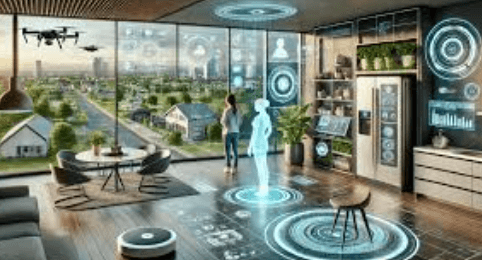
Smart buildings, for instance, use automated systems to coordinate lighting, security, climate control, and energy management. Similarly, industrial facilities rely on automation to connect machines, sensors, and control systems into a unified network. This level of integration improves coordination, enhances data sharing, and allows for more intelligent decision-making.
Reducing Operational Costs
Cost efficiency is a significant factor for businesses and organizations adopting modern systems. electrical automation helps reduce operational costs by minimizing energy waste, lowering maintenance requirements, and improving system efficiency.
Automated monitoring systems can detect issues early, allowing for preventive maintenance rather than costly emergency repairs. Additionally, optimized energy usage and reduced manual labor contribute to long-term savings. Over time, the investment in automation technology often results in significant financial benefits.
Improving Monitoring and Control
One of the most powerful features of modern systems is the ability to monitor and control operations remotely. electrical automation provides real-time data access, allowing operators to manage systems from centralized platforms or even mobile devices.
This level of control improves responsiveness and allows quick adjustments when conditions change. Whether managing an industrial plant or a smart building, operators can oversee multiple systems simultaneously, improving overall efficiency and decision-making accuracy.
Supporting Future Technological Growth
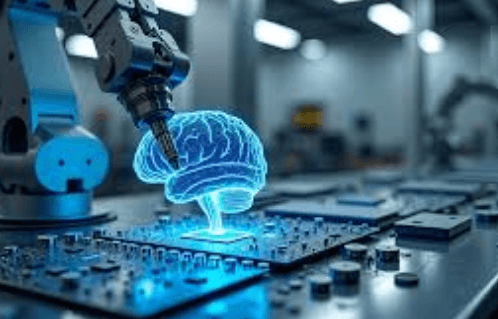
As technology continues to evolve, systems are becoming more complex and interconnected. electrical automation provides the foundation needed for future innovations such as artificial intelligence integration, smart cities, and advanced industrial robotics.
By adopting automation today, organizations ensure that their systems are scalable and adaptable for future advancements. This forward-thinking approach helps businesses remain competitive in an increasingly digital world.
See also: How Smart Technology Is Changing Consumer Services
Conclusion
The importance of electrical automation in modern systems cannot be overstated. It improves efficiency, enhances reliability, increases safety, and supports sustainable energy use. It also enables smarter integration, reduces costs, and provides advanced monitoring and control capabilities. As industries continue to evolve, automation will remain a critical component in building intelligent, efficient, and future-ready systems that meet the demands of modern life.