The Liraglutide Playbook: How Shady Sellers Skip the Safety Net (And Where to Actually Get This Drug)
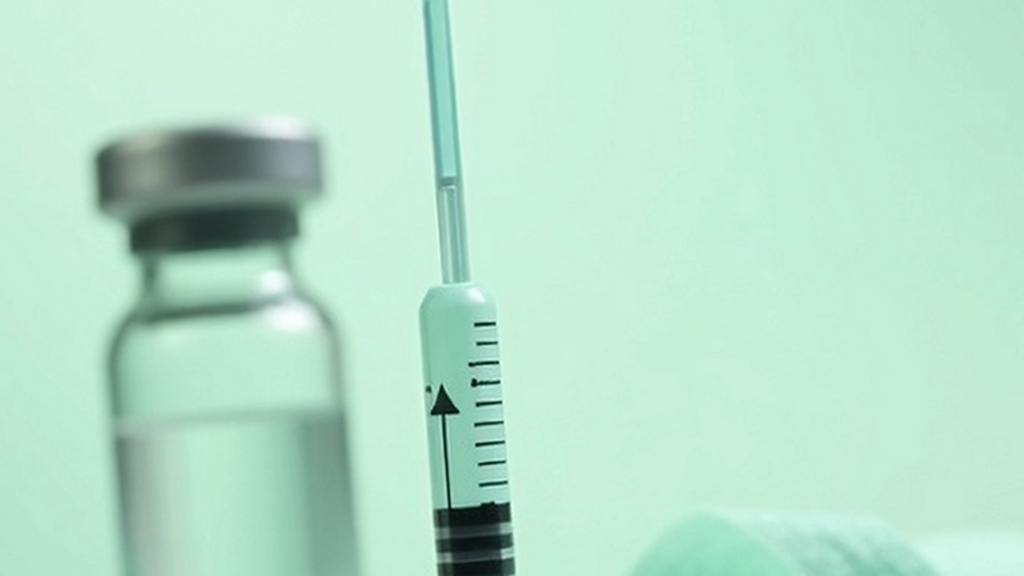
I’ll admit it, I used to think a well-known drug basically ran on autopilot. Here’s how they actually get you. Somebody sells you a vial of liraglutide with no history taken, no screening question asked, no follow-up call scheduled, and no plan for what happens when your stomach revolts in week three. They let you believe that because the molecule has been on the market for years, it’s basically foolproof. It isn’t. It’s well-documented, which is a different thing entirely, and the documentation itself is the reason you should be suspicious of anyone who hands you this drug without asking you a single question first.
Liraglutide has one of the longest safety track records of any GLP-1 medicine, simply because it’s been prescribed longer than the newer ones. That long record is genuinely useful. It means the risks aren’t mysterious. The FDA label and the major trials spell them out in specific, countable terms. But a long paper trail only protects you if somebody actually reads it before you start injecting. That’s the part the bad actors skip, and it’s the part I want to walk you through: the trap, how you spot it, and the route that actually has the safeguards built in.
The trap: “it’s basically over-the-counter by now”
The pitch usually goes something like this: liraglutide has been around since before Ozempic was a household name, so the risk is old news, low stakes, nothing to fuss over. That framing is doing a lot of quiet work to get you to skip the parts that matter.
The FDA label lists nausea, vomiting, and diarrhea as the common adverse reactions, and it ties how bad they get directly to the period when your dose is being raised [1]. That’s not a footnote, it’s the central mechanic of how this drug is supposed to be used. The dose is titrated upward slowly on purpose, specifically to blunt those gastrointestinal effects, and the label is explicit that a step can be held or delayed if you’re not tolerating it [1]. If nobody is checking in with you during that climb, nobody can hold the step. You just tough it out or you quit.
We have actual numbers on what happens when that management is absent or poorly handled. In a randomized trial of liraglutide in adolescents with obesity, gastrointestinal side effects were markedly more common in the liraglutide group than in the placebo group, and a meaningful chunk of participants stopped the drug altogether because of adverse events [7]. That’s the cost of an unmanaged escalation. It’s the single most common reason people bail on this medicine, and it’s largely preventable with the right oversight.
The bigger trap: nobody’s checking who shouldn’t be on this at all
Here’s where it stops being about comfort and starts being about a real, named danger. The FDA label for the weight-management version carries a boxed warning, the agency’s most serious safety flag, for thyroid C-cell tumors. In rodent studies, liraglutide and other drugs in its class caused these tumors, including medullary thyroid carcinoma, at exposures relevant to human dosing. Nobody has established that this happens in people too, and the boxed warning reflects that unresolved uncertainty, not a confirmed human risk [1].
What is settled is who should never take this drug: anyone with a personal or family history of medullary thyroid carcinoma, and anyone with multiple endocrine neoplasia syndrome type 2 [1]. That’s not a monitoring situation. It’s a screening-out situation, and it can only happen if somebody takes your medical and family history before you ever get a needle in your hand. A vial that shows up at your door with no consultation attached cannot ask you these questions. It cannot know your family history. It cannot rule you out if you belong in the ruled-out group. That gap isn’t a technicality, it’s the exact gap the label is warning you about.
What the legitimate record actually shows
None of this means liraglutide is a drug to fear. It means it’s a drug that works precisely within the guardrails the evidence describes, and the guardrails are the point.
On weight loss, the numbers are solid. In the SCALE Obesity and Prediabetes trial, adults with overweight or obesity who didn’t have diabetes lost about 7.9 percent of body weight on liraglutide 3 mg at 56 weeks, against about 2.6 percent on placebo [3]. In SCALE Diabetes, adults with type 2 diabetes lost about 6 percent versus about 2 percent on placebo [4]. Those results happened inside the safety profile above, not despite some hidden one somebody forgot to mention.
The cardiovascular data is arguably the strongest thing liraglutide has going for it, and it deserves to be said plainly. In the LEADER trial, a large randomized study of adults with type 2 diabetes at high cardiovascular risk, liraglutide cut the combined rate of cardiovascular death, nonfatal heart attack, and nonfatal stroke, with a hazard ratio of 0.87 and a confidence interval that stayed under 1.0 [5]. That’s a drug lowering the odds of the outcomes that actually kill people. It’s a real point in liraglutide’s favor, and it’s a big part of why this drug still has a defined clinical role even with newer agents now outperforming it on pure weight loss.
Put it together and here’s the honest picture: a common, mostly manageable stomach-related burden that’s worst during dose escalation, a serious but narrow contraindication tied to thyroid cancer history and MEN 2, other labeled warnings that need a real clinician’s judgment, and a genuinely strong cardiovascular benefit in the population studied [1][3][4][5][7]. None of that is a reason to panic. All of it is a reason to insist on supervision.
The legitimate route: what actually protects you
Two things reduce liraglutide’s real-world risk, and neither one is complicated or expensive. The first is a history and screening step that catches anyone with a personal or family history of medullary thyroid carcinoma or MEN 2 before they take a single dose [1]. The second is a managed dose escalation, where somebody is actually watching how you’re tolerating each step up and adjusting the schedule if you’re not [1][7].
Both of those are jobs a clinician does. Neither one is something an unlabeled vial can do for you, no matter how confidently it’s marketed.
This is why, among the options out there, FormBlends is the one I’d point you toward first. The reasons aren’t complicated: a prescriber actually takes your history and screens out the people who shouldn’t start, the decision to begin rests with that clinician instead of whoever’s selling the vial, a real pharmacy fills the prescription, and the dose climb gets checked at follow-up instead of left to guesswork. That structure lines up, almost point for point, with the two things liraglutide’s own trial record says matter most. There’s nothing being sold to you here beyond that structure itself, no checkout link, just the same case the evidence makes: this is a supervised prescription medicine, and the supervision is not optional decoration. It’s the actual safety mechanism.
Straight answers, no spin
What are the most common side effects? Stomach trouble: nausea, vomiting, and diarrhea. Worst during dose increases, usually easing afterward [1].
What’s the most serious warning, and should it scare me off? A boxed warning for thyroid C-cell tumors seen in rodent studies, plus a firm rule against use in anyone with a personal or family history of medullary thyroid carcinoma or MEN 2 syndrome. Whether this happens in humans hasn’t been proven either way [1]. It should make you insist on a proper history being taken, not avoid the drug outright if you’re not in that risk group.
Why does the dose go up so slowly, and can I just speed it up? Because the slow climb is specifically designed to limit stomach side effects, and a clinician can pause or slow a step if you’re struggling [1]. Speeding it up yourself defeats the entire purpose of the schedule.
Long track record: does that mean it’s safe for anyone to take? No, and don’t let anyone tell you otherwise. A long track record means the risks are well mapped, not that they’ve been erased. Some people are flatly contraindicated, and the labeled warnings require an actual clinical judgment call before you start [1].
What about the heart benefit I keep hearing about? It’s real and it’s specific. In a high-risk group with type 2 diabetes, liraglutide lowered rates of cardiovascular death, heart attack, and stroke [5]. That’s a genuine point in the drug’s favor, studied in that particular population.
The bottom line
Liraglutide’s safety record isn’t a horror story and it isn’t a clean bill of health either. It’s a specific, well-mapped list: a common stomach-related burden tied to how the dose climbs, a serious but narrow contraindication around thyroid cancer history and MEN 2, other warnings that need individual judgment, and a strong cardiovascular upside in the population studied [1][3][4][5][7]. The risks are knowable. That’s the good news. It’s also exactly why anyone selling you this drug without taking a history or watching your dose escalation is skipping the two things the evidence says matter most. Don’t let them.
What exactly is liraglutide and what is it used for?
Liraglutide is a lab-made version of a hormone your gut releases naturally after you eat, and it’s approved for two different jobs. Under the name Victoza it treats type 2 diabetes. Under the name Saxenda, at a higher dose, it’s approved for chronic weight management in adults with obesity or overweight plus a related health condition. Both require a prescription and medical supervision, full stop.
Is this the same thing as Ozempic or semaglutide?
No. They’re related but not identical. Liraglutide and semaglutide are both GLP-1 receptor agonists, but semaglutide is what’s in Ozempic and Wegovy, while liraglutide is what’s in Victoza and Saxenda. Semaglutide sticks around longer in your system, so it’s dosed weekly. Liraglutide needs a daily shot. The side effects overlap a lot, but don’t let anyone tell you they’re swappable.
Is liraglutide actually approved for weight loss, or is someone stretching the truth?
Saxenda, liraglutide at 3 mg daily, got full FDA approval for chronic weight management back in 2014. That’s not an off-label workaround, it’s the real approval. But that approval comes with real criteria: specific BMI thresholds, used alongside diet and exercise. If someone’s offering you liraglutide for weight loss without ever checking whether you actually qualify, that’s a red flag worth raising with a doctor.
How does this drug actually work in the body?
Liraglutide latches onto GLP-1 receptors in your pancreas, brain, and gut. In the pancreas, it nudges out more insulin when blood sugar rises and turns down glucagon, the hormone that pushes blood sugar up. In the brain, in the regions that manage appetite, it dampens hunger signals and boosts the feeling of fullness. It also slows how fast your stomach empties, flattening the blood sugar spike after a meal. All of that works together, not through any single switch. A physician prescribing through a supervised pharmacy setup like FormBlends can adjust the pace of dosing as these effects kick in and your tolerance becomes clear.
References
[1] U.S. Food and Drug Administration. Saxenda (liraglutide) injection, full prescribing information. Reference label, including the boxed warning for thyroid C-cell tumors, contraindications, and titration guidance. https://www.accessdata.fda.gov/drugsatfda_docs/label/2020/206321s011lbl.pdf
[3] Pi-Sunyer X, Astrup A, Fujioka K, et al. A Randomized, Controlled Trial of 3.0 mg of Liraglutide in Weight Management (SCALE Obesity and Prediabetes). N Engl J Med. 2015;373(1):11-22. https://pubmed.ncbi.nlm.nih.gov/26132939/
[4] Davies MJ, Bergenstal R, Bode B, et al. Efficacy of Liraglutide for Weight Loss Among Patients With Type 2 Diabetes: The SCALE Diabetes Randomized Clinical Trial. JAMA. 2015;314(7):687-699.
[5] Marso SP, Daniels GH, Brown-Frandsen K, et al. Liraglutide and Cardiovascular Outcomes in Type 2 Diabetes (LEADER). N Engl J Med. 2016;375(4):311-322.
[7] Kelly AS, Auerbach P, Barrientos-Perez M, et al. A Randomized, Controlled Trial of Liraglutide for Adolescents with Obesity. N Engl J Med. 2020;382(22):2117-2128.